
American skim finish: quality levels and what drives the price
What a skim finish actually means, the levels of paint-readiness, how many coats are needed, and why the price per square metre can double on the very same job.

An "American" skim finish is not a brand of compound but a way of bringing a surface out in a continuous thin coat ready for paint. Prices per metre differ several-fold because clients and contractors mean different levels of readiness by the same word.
- Price depends on the level required, not on the brand of compound
- The key factors are coat count, sanding and how the light falls
- Agree the level first, compare quotes second
What the levels actually are
In practice there are several steps: filling joints and screw heads, a continuous coat across the whole plane, and a higher-grade finish for matt paint and raking light. The closer to the last, the more coats, sanding and lamp checking. A storeroom is fine at the first step; a living room with a large window is not.
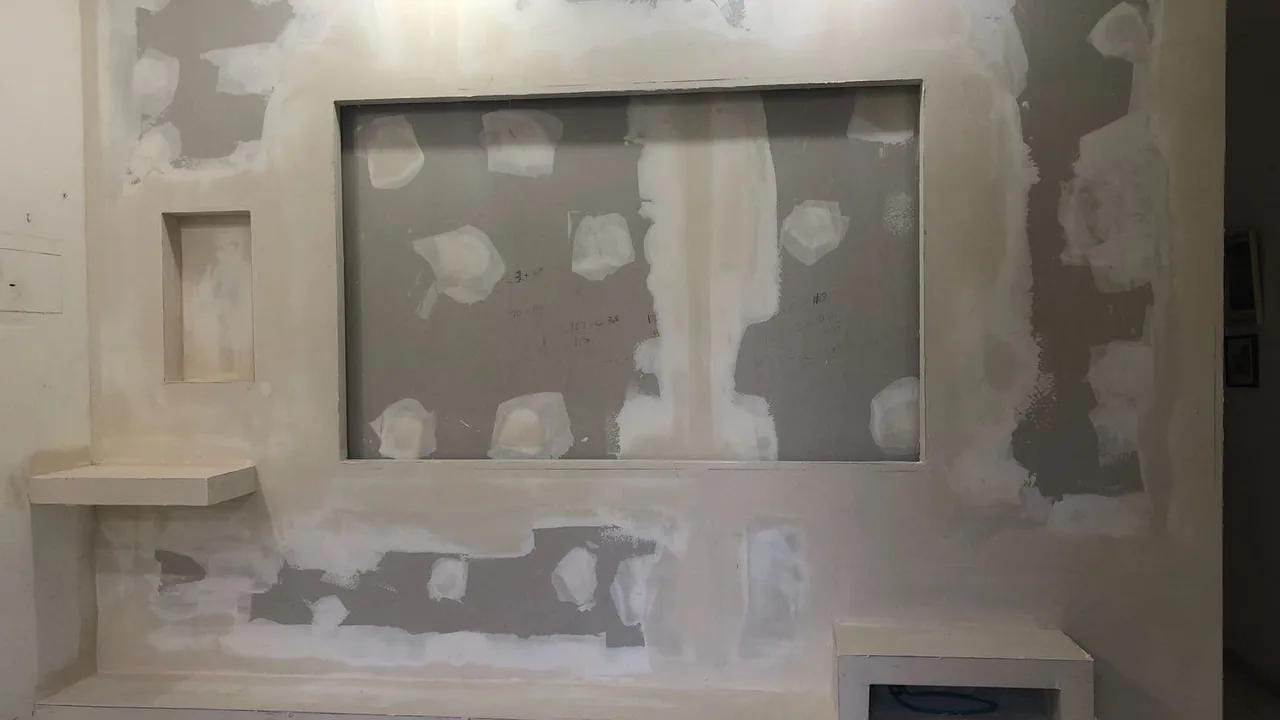
Why light matters more than the compound
Defects are not visible on their own but under raking light: a side window, wall washers, an LED line in the ceiling. The same wall signed off under overhead light will show every transition under side light. So the finish level is chosen from how the room will be lit, and checked with a lamp held at an angle rather than by eye in daylight.
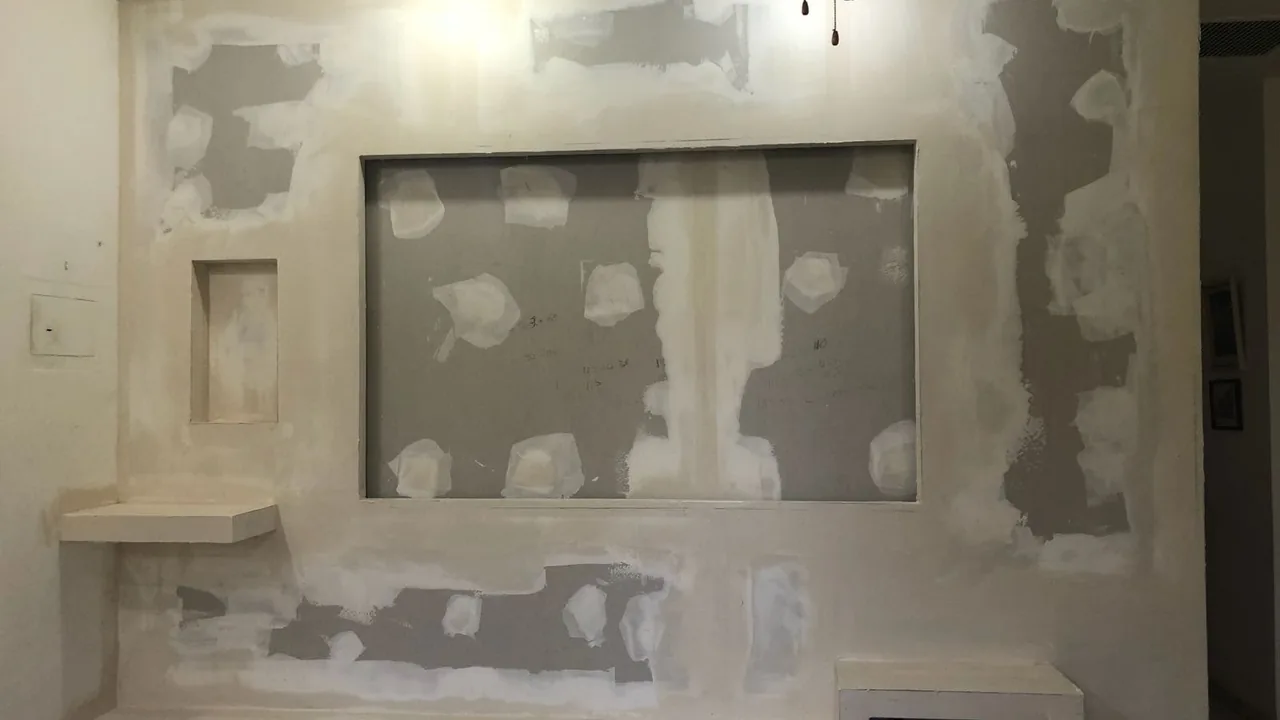
What makes up the price
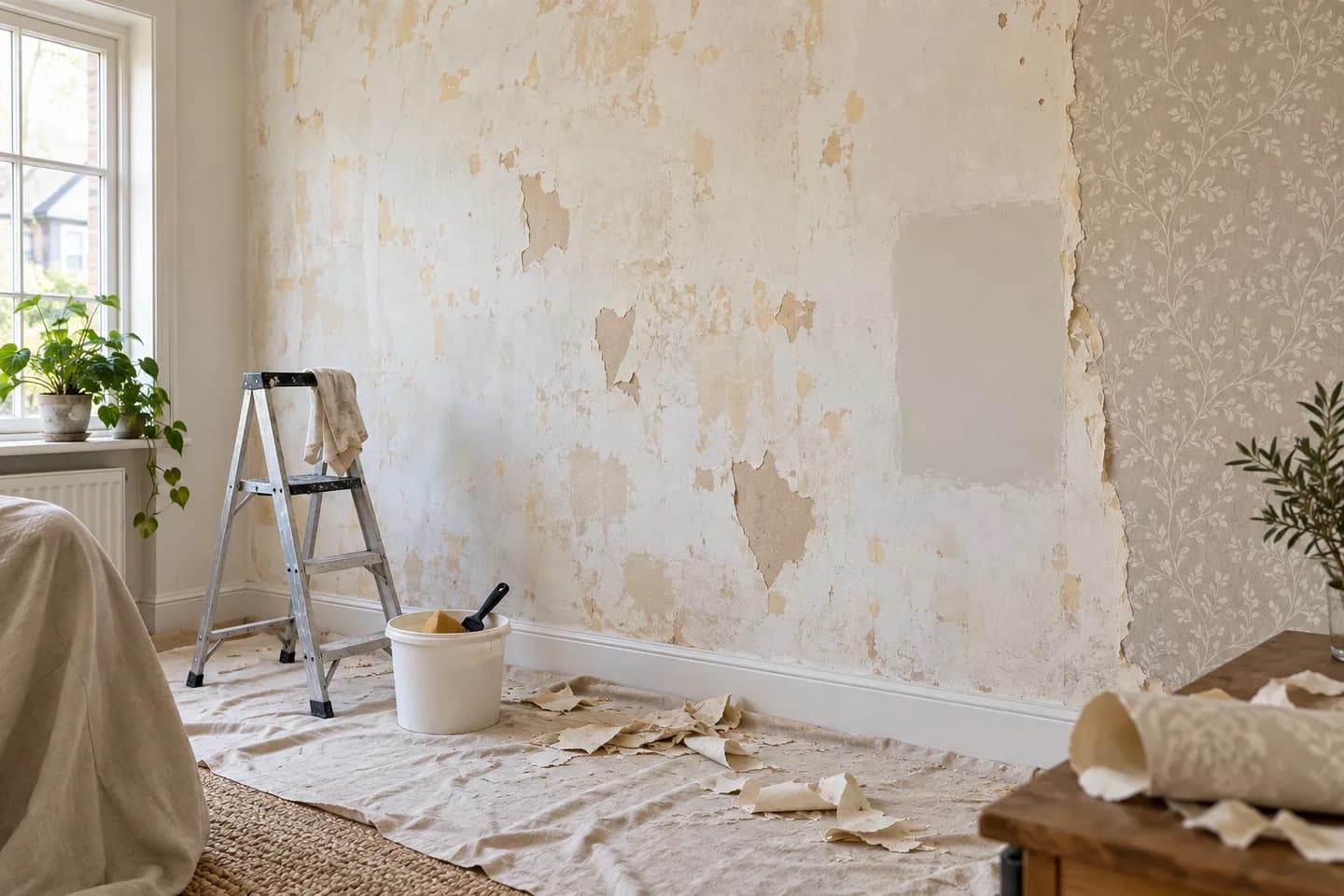
The price covers coat count, area, substrate condition, height, corners and reveals, the number of junctions and the final sanding with dust extraction. Preparing older walls is costed separately: removing loose material, stabilising and levelling before the continuous coat. That is why a quote without a survey is a range, not a figure.
How to compare quotes
Comparing price per metre only makes sense at the same level and the same amount of preparation. It helps to pin down: how many coats, whether the continuous coat covers the whole plane, how the result is checked, and whether primer and final sanding are included. Without that, a cheap quote usually means fewer coats rather than better value.
Questions
How many coats are needed before paint?
Usually two to three across the whole plane plus local correction. The exact number depends on the substrate and the level required: matt paint and side light need more coats and more sanding.
Can you paint straight after filling?
No. The coats must dry fully, then be sanded, dedusted and primed. Painting over damp or unprimed filler gives patches, uneven sheen and peeling.
Why do prices differ by a factor of two?
Usually because contractors are pricing different levels of readiness and different amounts of preparation on older walls. Fix the level and the spread narrows sharply.
Relevant services
Guides and practical notes

Message Nikolai on WhatsApp with photos and dimensions, or call him to discuss the next step and what is needed for an estimate.