
Acoustic membrane for a Netanya wall: when a thin layer belongs in a complete system
Membrane thickness is not total lining thickness: check the noise path, full wall specification, test evidence, junctions, quantities, complete cost and limitations.
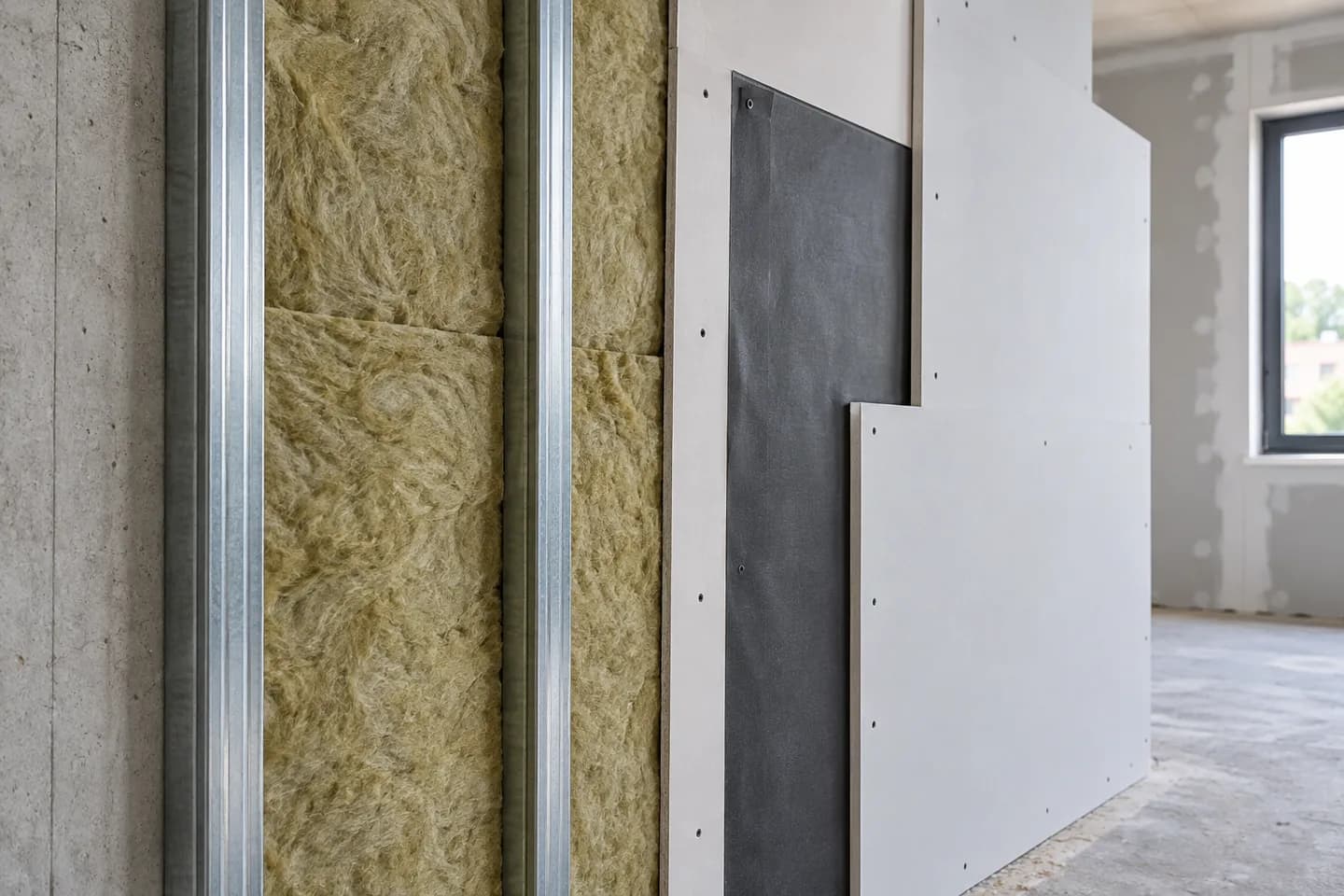
When neighbours are audible, a thin membrane sounds appealing: save space and avoid extensive renovation. The decision still concerns a complete construction suited to the sound path. A membrane may be one layer; a roll's name does not describe the whole wall or guarantee results in an apartment. This Netanya guide helps check a proposal, separate product characteristics from tested systems and compare complete options. It provides no universal decibel promise or neighbourhood diagnosis. Start with the actual complaint, the room's condition and a specification that can be checked before the layers disappear behind the finish.
1. Identify the sound that matters
Speech through a shared wall, footsteps above, street noise and echo inside a room are different complaints. Record time, location, sound character, usual listening position and what changes with an open door or window. Do not open outlets or other systems to investigate independently. The neighbour-noise guide helps prepare observations. If transmission mainly follows another route, adding a layer to a selected wall may not address the problem. A city name or advertisement cannot locate the source. A specialist acoustic assessment may be appropriate where the route or intended performance remains unclear.
2. Ask what membrane means in this proposal
Different products can share a broad name while having different roles and installation conditions. Request the exact product, current documentation and purpose within the proposed assembly. SOPREMA describes TECSOUND as a dense flexible sound-insulating membrane. That is a product description, not proof of any lining's performance. Dark roll materials are not all interchangeable. Ask where this layer sits, what it works with and why this option is proposed. A recognised brand does not replace those answers or establish that an alternative product can be substituted without checking.
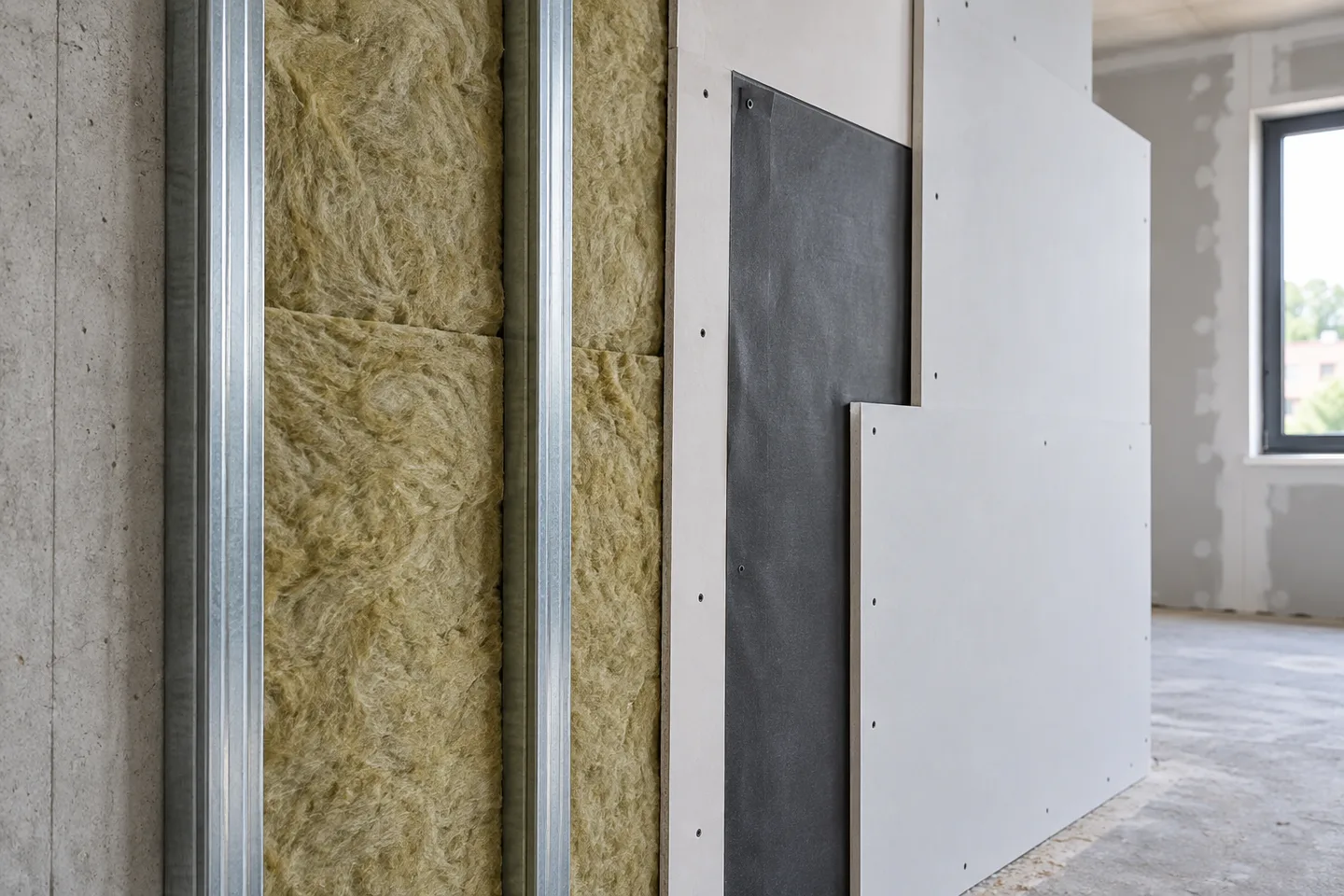
3. Roll thickness is not room-space loss
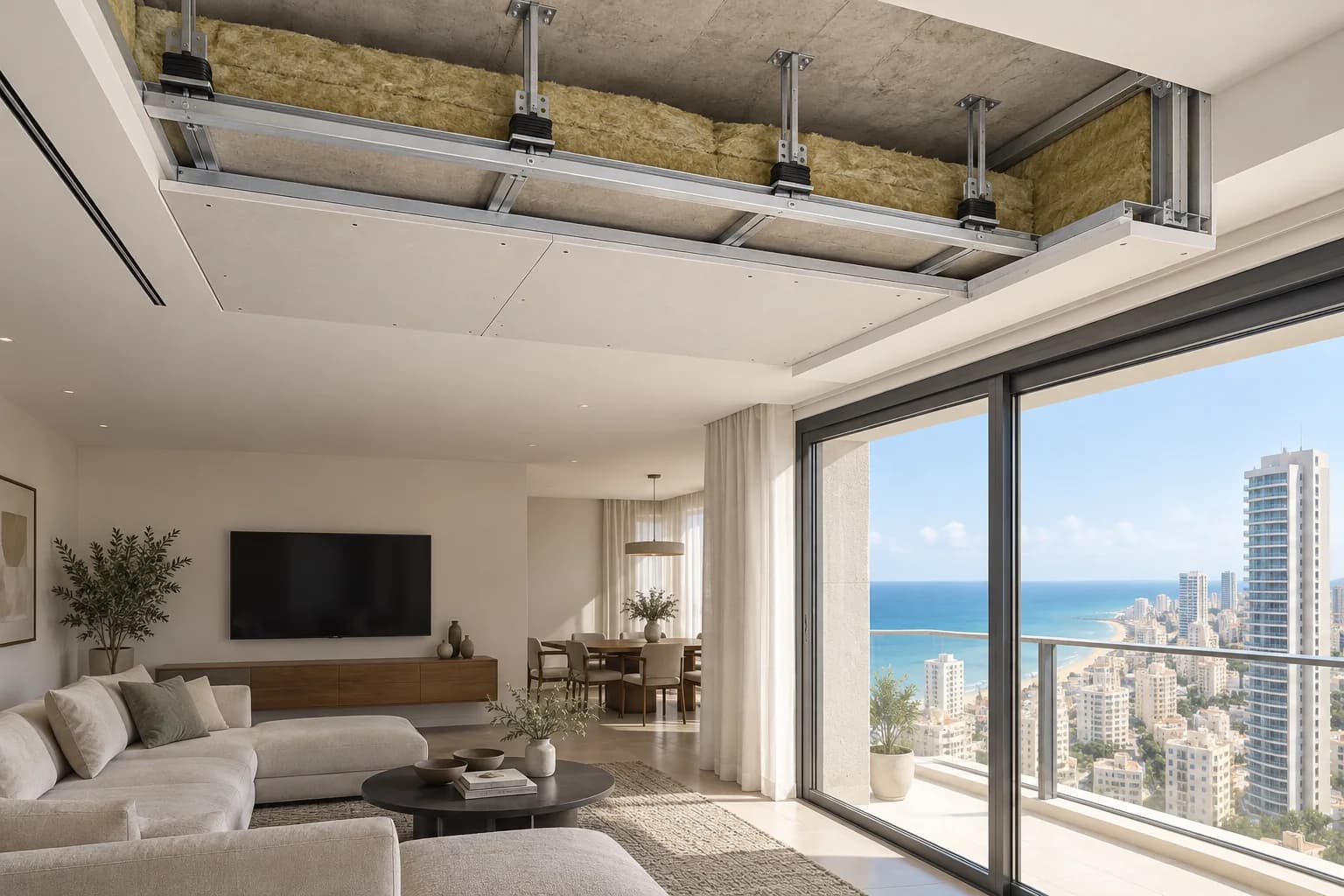
Where the solution includes framing, a gap, cavity fill, boards and finish, count them together. One thin layer does not establish the distance from the existing wall to the finished face. Ask for a dimensioned section showing retained and new planes. The acoustic lining space guide helps check furniture, doors and passage. In an assumed 3-metre-wide room, compare the full chosen section rather than the roll thickness. The actual figure follows system selection. Different backgrounds and objectives do not justify an advance promise of identical space loss for every room.
4. Request the whole wall specification
The proposal should identify existing construction, support or fixing method, layers, seams, perimeter and final decoration. Cavity mineral wool and membrane do not automatically have the same role. Extra boards alone do not describe an acoustic characteristic either. The mineral-wool partition guide explains system-based selection. Ask which components are essential in the proposed specification and which are optional alternatives. Changing a layer for something of similar thickness requires compatibility to be confirmed, rather than an unnoticed substitution based on shop availability. A clear list also makes concealed-stage photographs meaningful at inspection.
| In the offer | Find out | It does not establish |
|---|---|---|
| Membrane thickness | Complete assembly thickness | Space loss equal only to the roll |
| Decibel figure | Metric and tested assembly | The same outcome in every apartment |
| Material price | Completed wall scope | Total renovation cost |
| One treated wall | Sound path and junctions | Removal of every room noise |
5. Read test figures in context
Ask whether a quoted value describes a product, complete construction or improvement to a particular tested sample. You need the assembly, conditions and named metric, not a large number on an image. A laboratory result does not automatically promise the same outcome in a room with different junctions. Advertising values for separate layers cannot simply be added together. If no numerical guarantee is offered, say so clearly. If one is offered, define what will be measured, how and under which conditions. This guide does not assign a rating to an unknown wall or turn a generic product figure into an apartment-specific forecast.
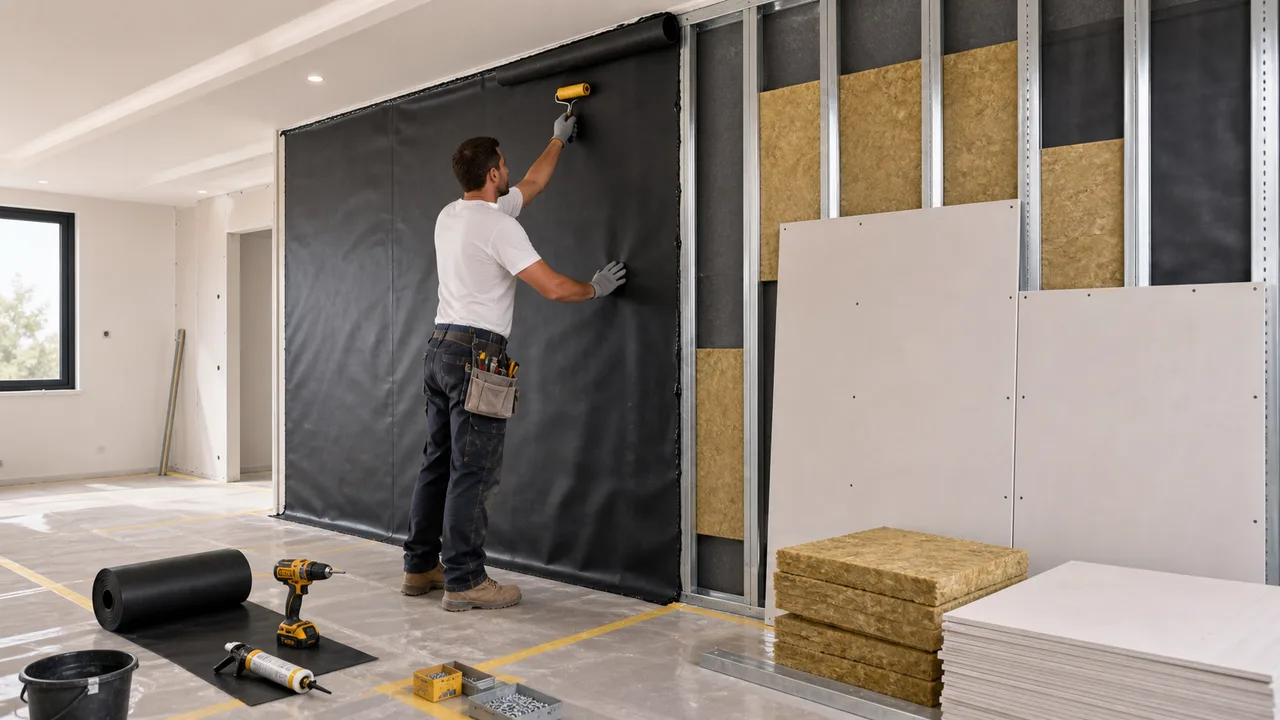
6. Discuss bypass routes and weak points
Sound can reach the room through connected construction, openings and other areas. Discuss the wall perimeter, adjoining ceiling, door and known equipment routes. That does not automatically mean ordering insulation for the entire room: first assess the relevant paths. The Netanya sound-path guide helps organise observations without unsafe opening of systems. Define the finished boundary. Record any unverified path as a limitation. A membrane covering the centre of a wall should not be sold as a proven cure for every sound heard nearby. The proposed work needs to correspond to the actual complaint and remaining uncertainties.
7. Plan furniture and equipment before closing
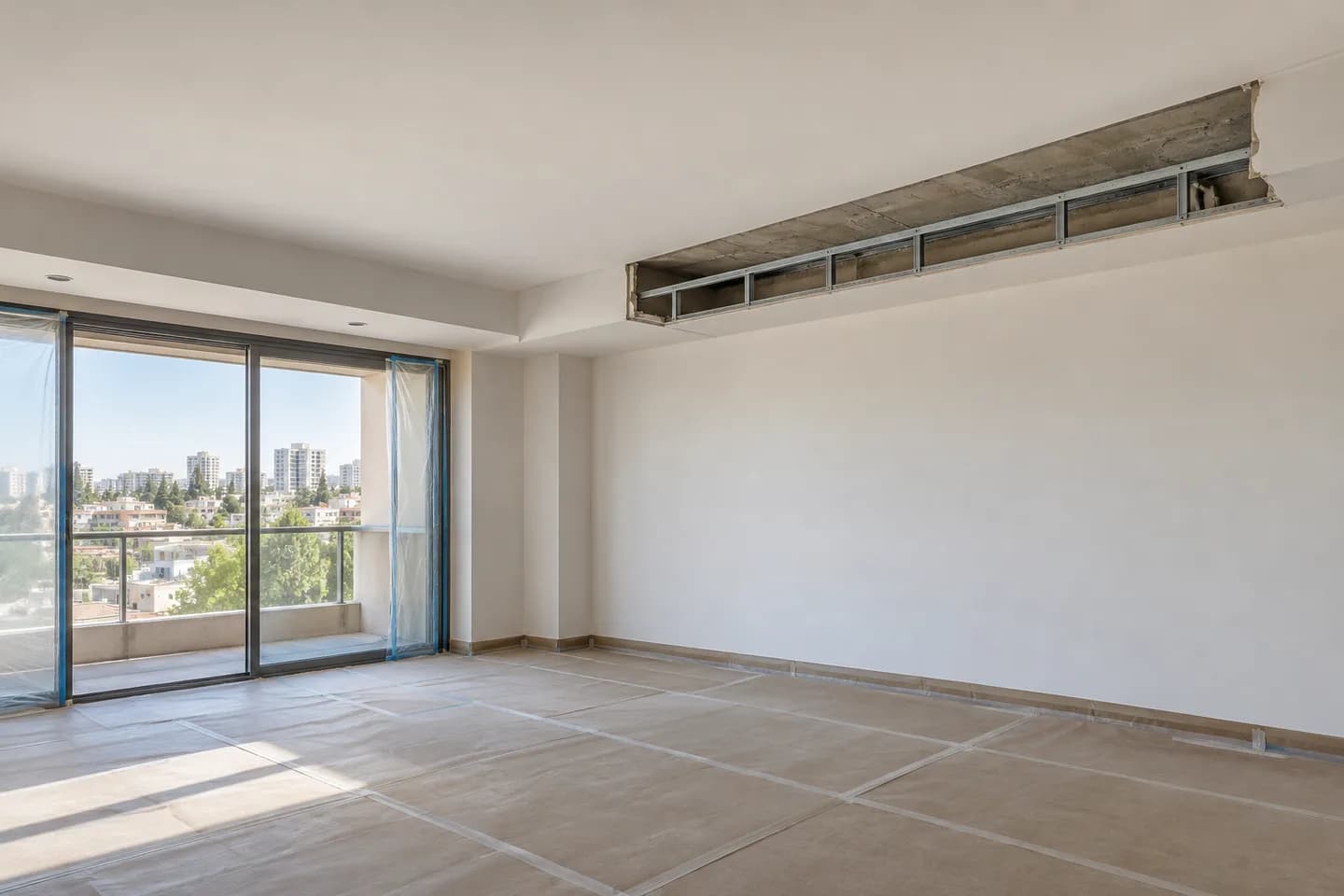
Mark the future television, cupboards, outlets, skirting and window junctions. Loads and fixings need a suitable background; an acoustic layer does not automatically carry furniture. Relevant specialists coordinate electrical and other services. Later holes or alterations can affect the chosen detail, so plan them early. Confirm service access and skirting installation without unintended changes to the assembly. For a bedroom wall, show the bed width and remaining passage too. A construction selected for an acoustic purpose must still leave the room usable. Document agreed future fixing locations before the lining makes the supporting construction invisible.
8. Compare options with and without the layer fairly
Keep area, complaint, preparation, equipment and finish boundary equivalent across both offers. Then compare complete specifications and the reason for the difference. A higher layer cost should be explained by its role, rather than the word professional. Ask what changes without the membrane and what evidence supports the answer. Do not also change board count, fixing and finish while calling this a roll-only comparison. Wall sound insulation concerns a system. Sometimes the next useful step is clarifying transmission rather than purchasing a more expensive assembly for a surface that does not match the problem.
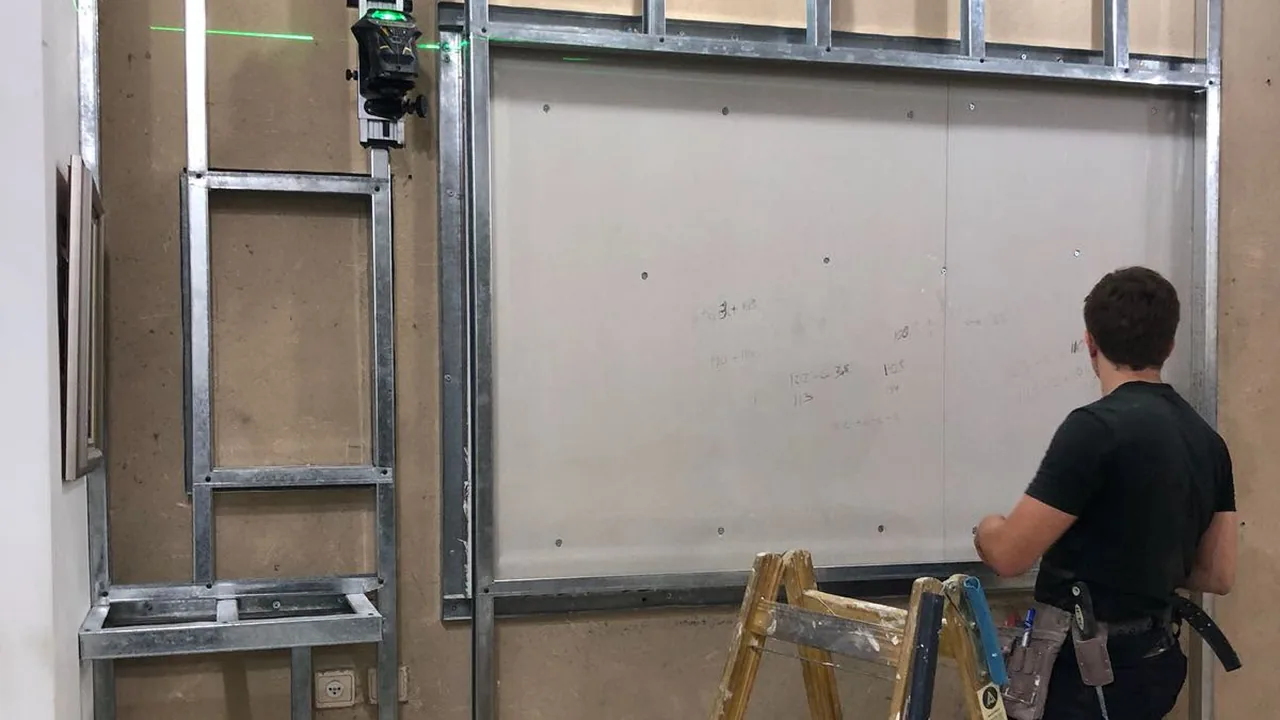
9. Measure and price the completed result
An assumed wall measuring 4 by 2.7 metres has 10.8 m² before agreed opening deductions. Purchased material quantities and finished surface area can differ because of the selected assembly's requirements. Record measurement rules in the offer. The NikoGips calculator helps with matching current items; membrane price is not completed sound-insulation cost. State material, frame, fill, lining, junctions, preparation, painting, protection, delivery and taxes explicitly. Avoid adding a complete wall package and its already included layers twice. An unconfirmed specification cannot honestly be reduced to one universal apartment price.
10. Check concealed work and handover
Compare actual products and layer positions with the approved specification. Record perimeter, penetrations and planned fixings before closing, and retain photographs. Resolve unknown details before the next stage. At handover, inspect the agreed finish, access and completion. An impression formed on a randomly quiet day does not replace measurement where measurement was part of the agreement. Decide evaluation conditions in advance. Include retained limitations in handover so one wall is not later expected to solve a different complaint. Check compatibility before adding equipment or holes after renovation. Documentation connects the finished appearance to what was actually constructed behind it.
11. Send a Netanya sound-insulation brief
Provide address, room type, wall dimensions and sound description. Include a simple plan, views of junctions and furniture, existing lining details and known previous work. Explain why you are considering membrane: limited space, another offer or a wish to compare. Nikolai can discuss applicable work within the existing sound-insulation service. If information is incomplete, clarify the assessment before promising an effect from a material name. A useful outcome is one understood objective, a dimensioned complete assembly and explicit limitations. Those details create a sound basis for comparing the next proposal and arranging any necessary visit.
Questions
Can it simply be glued on and painted?
Use an appropriate supported assembly and finish. A material name does not permit arbitrary application.
Does membrane replace mineral wool?
Not automatically. Their roles depend on the particular system.
How many decibels quieter will it be?
A reliable number requires the chosen construction, conditions and an appropriate assessment basis.
Will it stop footsteps above?
That may involve another transmission route. Check whether a wall treatment matches the complaint.
Can I compare roll prices alone?
Compare complete construction, installation, junctions and the same finish boundary.
Relevant services
Guides and practical notes

Message Nikolai on WhatsApp with photos and dimensions, or call him to discuss the next step and what is needed for an estimate.